Eczema Care in Dry Australian Winters: A Practical Guide
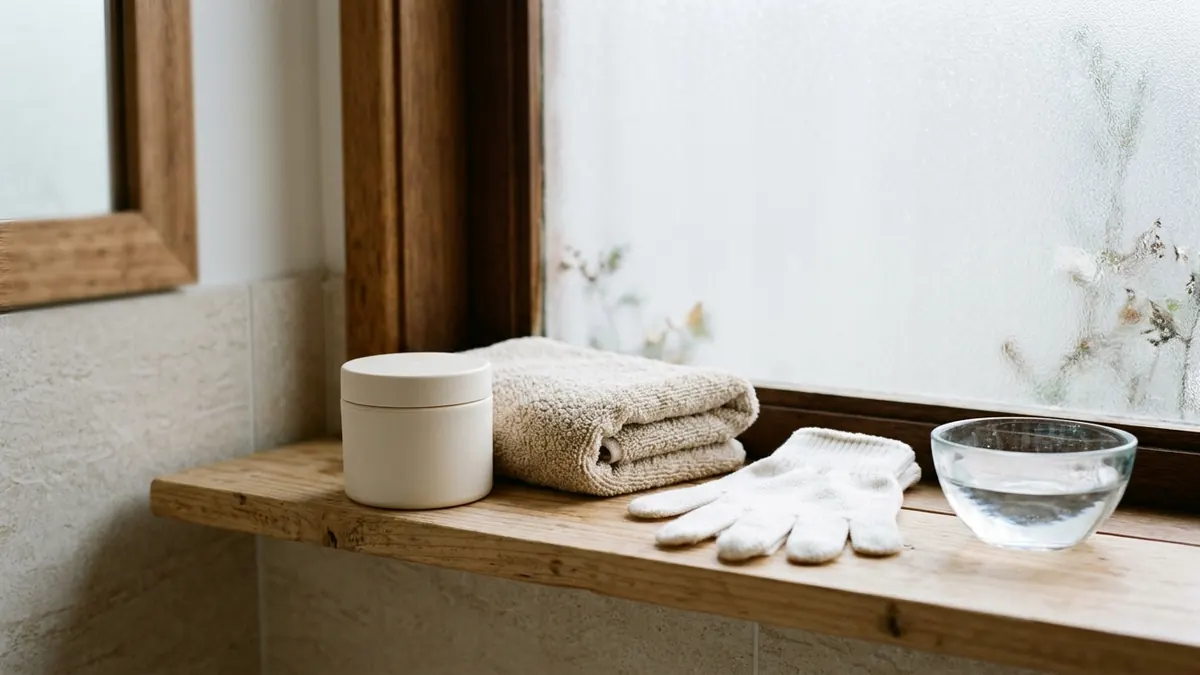
Cold mornings, heaters and low humidity can leave eczema-prone skin dry, tight and itchy. This guide covers practical, everyday steps for the colder months and explains when to ask your pharmacist or GP for help.
- Cold, dry air and indoor heating draw moisture from the skin, so most people need to moisturise more often in winter.
- Apply a fragrance-free ointment or cream soon after a short, lukewarm shower, and top up through the day.
- Use soap-free cleansers, protect your hands with gloves, and moderate your heater settings.
- Choose soft base layers and fragrance-free laundry products to reduce irritation.
- See your pharmacist or GP if eczema disrupts sleep, keeps flaring, or shows signs of infection.
Why winter is hard on eczema-prone skin
Eczema (atopic dermatitis) involves a skin barrier that loses moisture more easily than it should. In winter, that tendency meets conditions that dry skin out further: cold air, low humidity, wind and indoor heating. Even in milder places like Brisbane or Perth, a run of crisp, dry days can be enough to set off flare-ups.
The pattern is familiar to many people. Hands crack after a few days of frequent washing, shins itch when you take off your socks, and the backs of the knees turn red and rough. Eczema varies a lot from person to person, so what bothers your skin may differ from what bothers your partner's or your child's.
The good news is that most of the winter triggers are things you can adjust. None of this replaces advice from your health professional, but a steady routine often makes the colder months more comfortable.
Moisturise often, and choose the right product
Regular moisturising is the foundation of eczema care. It helps reduce water loss from the skin and can ease tightness and itch. In winter, many people find they need to apply more often and use a richer product than they do in summer.
Ointment, cream or lotion?
As a rough guide, ointments are the greasiest and tend to hold in the most moisture. Creams sit in the middle, and lotions are the lightest, with a higher water content. Lotions are often too thin for dry winter skin. Some people dislike the feel of ointments in the daytime, so a common approach is a cream during the day and a thicker product at night.
Look for fragrance-free options made for sensitive or eczema-prone skin. If a product stings or makes the skin redder, stop using it and ask your pharmacist for an alternative.
Timing and amounts
Apply moisturiser within a few minutes of patting your skin dry after a shower, while it is still slightly damp. Then top up through the day, especially on hands after washing. Adults with widespread dry skin can use a surprising amount, sometimes several hundred grams a week. If your tub is lasting only a few days, that is not necessarily too much.
Smooth moisturiser on in the direction of hair growth rather than rubbing hard. Keeping a small tube in your bag, car and desk makes it easier to stick with.
Rethink your showers and washing habits
A long, hot shower feels wonderful on a frosty morning, but hot water strips natural oils from the skin. Warm or lukewarm water is gentler. Aim to keep showers short, around five to ten minutes, and limit baths to a few times a week if they irritate you.
Swap standard soap and heavily scented body wash for a soap-free cleanser or wash designed for sensitive skin. You rarely need to lather it all over; the underarms, groin and feet are the main areas that need cleansing. Pat the skin dry with a soft towel rather than rubbing.
Hands deserve special attention in winter. Frequent washing, sanitiser and cold outdoor air can leave them cracked and sore. Use a gentle cleanser, dry thoroughly between the fingers, and apply a thick hand ointment or cream after each wash. Cotton-lined gloves for dishes and cleaning, and warm gloves outdoors, can protect them further.
Manage heating and indoor air
Ducted heating, reverse-cycle air conditioners and gas heaters all lower indoor humidity, and so do wood fires. Skin that was fine at 8 am can feel tight and itchy by mid-afternoon in a heated office.
A few adjustments may help. Keep the temperature moderate rather than very warm, since overheating can aggravate itch for some people. Avoid sitting directly in front of a heater or in the airflow from a vent. A bowl of water or a clean humidifier can add a little moisture in a bedroom, though humidifiers need regular cleaning to avoid mould and bacteria. Check the humidity with an inexpensive hygrometer if you are curious; many people aim for roughly 40 to 50 per cent.
If you live somewhere with a cold, dry climate such as the Canberra region, inland Victoria or Tasmania, these steps can matter even more.
Clothing, bedding and laundry
Winter means layers, and some fabrics can irritate sensitive skin. Wool and scratchy synthetics next to the skin are common culprits. Soft cotton, bamboo blends or smooth, fine merino worn as a base layer are often better tolerated, with warmer layers over the top. Remove tags and check for rough seams.
Wash new clothes before wearing them. Use a fragrance-free laundry detergent, avoid fabric softeners if they seem to bother you, and consider an extra rinse cycle to remove detergent residue.
In bed, a heavy doona can cause overheating and night-time scratching. Several lighter layers are easier to adjust. Wash sheets weekly in warm water, and keep fingernails short and smooth to limit damage from scratching during sleep.
When to talk to your pharmacist or GP
Self-care helps, but it does not always control eczema on its own. If your skin is still red, itchy or disturbing your sleep despite regular moisturising, speak to your pharmacist or GP. They can review your routine and discuss treatment options, which may include topical medicines that are available either over the counter or by prescription. Always use these exactly as directed, especially on the face and skin folds.
See your GP promptly if you notice weeping or yellow crusting, painful blisters, a sudden worsening, or a fever. These can be signs of infection, which needs proper assessment. Be cautious about wet dressings, special diets or herbal creams unless a health professional has discussed them with you, as some can make things worse.
Eczema in babies and children can look and behave differently from adult eczema, so have a GP check any persistent rash in a young child.
Frequently asked questions
How often should I moisturise with eczema in winter?
Many people apply moisturiser at least twice a day and after every hand wash or shower. If your skin still feels tight or looks flaky, you may need to apply it more often or switch to a thicker product. Your pharmacist can suggest suitable options.
Are hot showers really that bad for eczema?
Hot water can remove natural oils from the skin and often leaves eczema-prone skin drier and itchier afterwards. Short, lukewarm showers followed by prompt moisturising are generally gentler. If you love a hot shower, try turning the temperature down gradually.
Can a humidifier help with winter eczema?
It may help some people by adding moisture to dry indoor air, particularly in a heated bedroom. It is not a substitute for moisturising, and it must be cleaned regularly according to the manufacturer's instructions. Too much humidity can encourage mould and dust mites.
When should I see a doctor about my eczema?
See your GP if your eczema is disturbing sleep, not improving with regular moisturising, or spreading. Seek prompt advice if the skin is weeping, crusted, very painful, or you have a fever, as these can point to infection.
Medical disclaimer: This information is general in nature and is not a substitute for advice from your doctor or pharmacist. Prescription-only medicines are supplied only against a valid prescription.