Car Sickness in Adults: What Helps and When to Ask a Pharmacist
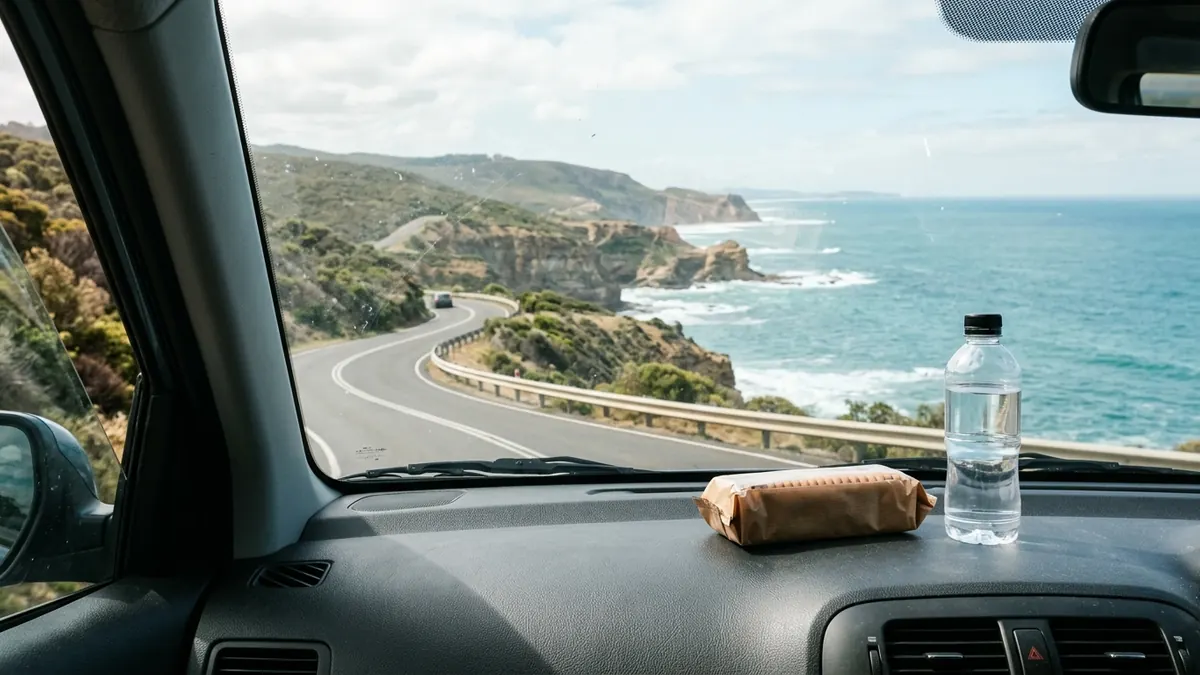
Car sickness catches plenty of adults off guard, whether it's a twisty drive through the hinterland or a long stint in the back seat. This guide covers why it happens, practical ways to ease it, and when it's worth a chat with your pharmacist or GP.
- Motion sickness happens when your eyes and inner ear send conflicting signals, and it affects many adults, not just kids.
- Sit up front, look at the horizon, keep fresh air flowing and put screens away.
- Eat a light snack beforehand, avoid strong smells, and take regular breaks on long drives.
- Medicines for travel nausea can cause drowsiness and other side effects, so ask your pharmacist before choosing one, especially if you'll be driving.
- See your GP if nausea or dizziness happens outside of travel, or if vomiting and dehydration don't settle.
Why the road can turn your stomach
Motion sickness comes down to a mismatch. Your inner ear senses every bend, brake and bump. Your eyes, meanwhile, may be locked on a phone screen or the back of the seat in front, telling your brain you're sitting still. When those signals disagree, many people end up with nausea, a cold sweat and a sudden dislike of the snack they ate an hour ago.
It's not a sign of weakness or anything you've done wrong. Some people simply have a more sensitive balance system. Winding stretches like the Great Ocean Road, the Putty Road or the climb up through the Dandenongs are classic triggers, but even a stop-start commute in the back of a rideshare can do it.
Early signs and who tends to get it
The first signals are often subtle. You might notice a sudden yawn, extra saliva, a faint headache or a feeling that the car has become stuffy. Pale skin, a clammy forehead and a creeping queasiness usually follow. Vomiting tends to come later, so catching the early signs gives you a real chance to act.
Motion sickness is more common in children, but adults aren't spared. People who get migraines often report it more, and hormonal changes, including pregnancy, can make some people more sensitive. Passengers are hit more than drivers, probably because drivers watch the road, anticipate each turn and keep their heads steady.
Before and during the drive
A few small habits can change how a trip feels. None of them is a guarantee, but together they stack up.
Before you leave
Eat something light about an hour beforehand. Plain toast, a banana or some crackers are easier on the stomach than a greasy servo breakfast. Arriving on a completely empty stomach can make nausea worse, and so can a heavy meal. Go easy on alcohol the night before, and try to get a decent sleep, since tiredness lowers your tolerance.
If you have a choice, plan the drive for cooler parts of the day. A hot car in an Australian summer is a recipe for feeling rotten, so cool the cabin down before everyone climbs in.
Once you're on the road
Sit in the front passenger seat if you can, or in the middle of the back seat where you can see through the windscreen. Look at the horizon or a distant fixed point rather than things whizzing past the side window. Keep your head supported against the headrest, which reduces the extra movement your balance system has to process.
Put the phone, e-reader and paperwork away. Reading or scrolling is one of the quickest ways to set off symptoms. Crack a window or point the air vents at your face, since fresh, cool air often helps. Strong smells, such as takeaway food, air fresheners or a freshly refuelled car, are worth avoiding.
Plan breaks on long drives. Ten minutes outside every hour or two, with some slow breaths and a sip of water, can settle things before they escalate.
Non-medicine options people try
Ginger is the most popular home option, in lollies, tea or capsules. Research on ginger for nausea is mixed but generally modest, and some people simply find it settling. It's a reasonable thing to try, though check with your pharmacist if you take blood-thinning medicines, as ginger supplements may interact.
Acupressure wristbands are sold in most pharmacies. They press on a point on the inner wrist, and some people swear by them. The evidence is limited, so think of them as a low-risk extra rather than a dependable fix. Sipping cool water, sucking on a mint and listening to music or a podcast without looking at a screen can also help take your mind off the queasy feeling.
Medicines you can ask about
If simple tactics aren't enough, there are medicines available from pharmacies for preventing motion sickness. Some are general sale, some are pharmacist-only, and which one suits you depends on your health, other medicines and the trip ahead. Common types include sedating antihistamines and hyoscine, which is available as tablets or as a skin patch. They generally work best when taken before you set off rather than once you already feel sick, and the timing depends on the product, so read the label and ask your pharmacist.
These medicines can cause side effects. Drowsiness is common with many of them, which matters a great deal if you're the driver. Hyoscine can cause a dry mouth, blurred vision and dizziness, and it isn't suitable for everyone, including some people with glaucoma or difficulty passing urine. Older adults can be more sensitive to these effects.
Tell your pharmacist if you're pregnant or breastfeeding, take other medicines (including sleeping tablets or anything that causes drowsiness), or have a long-term health condition. Never assume that what worked for a friend is right for you. A quick conversation at the counter can save you a miserable trip, or an unsafe one.
When it might be more than motion sickness
Most car sickness settles within an hour or so of the car stopping. But nausea isn't always about movement. See your GP if you feel dizzy or nauseous when you're not travelling, if you have a spinning sensation (vertigo) that lasts, or if you get severe headaches, vision changes or ringing in the ears alongside it.
Get prompt medical help if vomiting won't stop, you can't keep fluids down, or you notice signs of dehydration such as very dark urine, extreme thirst or feeling faint. Sudden severe dizziness with weakness, trouble speaking or chest pain needs urgent care, so call triple zero (000).
If you dread every trip, or you've started avoiding travel because of it, that's worth raising with your GP or pharmacist. Sometimes there are underlying causes, such as inner ear issues or migraine, and a tailored plan is better than gritting your teeth each time.
Frequently asked questions
Why do I get sick as a passenger but not when I'm driving?
Drivers usually watch the road, anticipate turns and keep their heads steady, so their eyes and inner ear agree more closely. Passengers are often looking down or sideways and can't predict the movement, which makes a mismatch more likely.
Can I drive after taking a motion sickness medicine?
Many of these medicines cause drowsiness or blurred vision, which can make driving unsafe. Check the label and ask your pharmacist about options that are less likely to affect alertness. If you feel drowsy, don't drive.
Do ginger and wristbands really work?
Evidence is mixed. Some people find ginger or acupressure wristbands helpful, and they're generally low-risk, but they don't work for everyone. They're best used alongside practical steps like looking at the horizon and getting fresh air.
When should I see a doctor about travel nausea?
See your GP if you also feel dizzy or nauseous when not travelling, have ongoing vertigo, severe headaches or hearing changes, or if vomiting leads to dehydration. Call triple zero (000) for sudden severe symptoms such as chest pain or trouble speaking.
Medical disclaimer: This information is general in nature and is not a substitute for advice from your doctor or pharmacist. Prescription-only medicines are supplied only against a valid prescription.