Sleep Hygiene Habits That Actually Help, According to Evidence
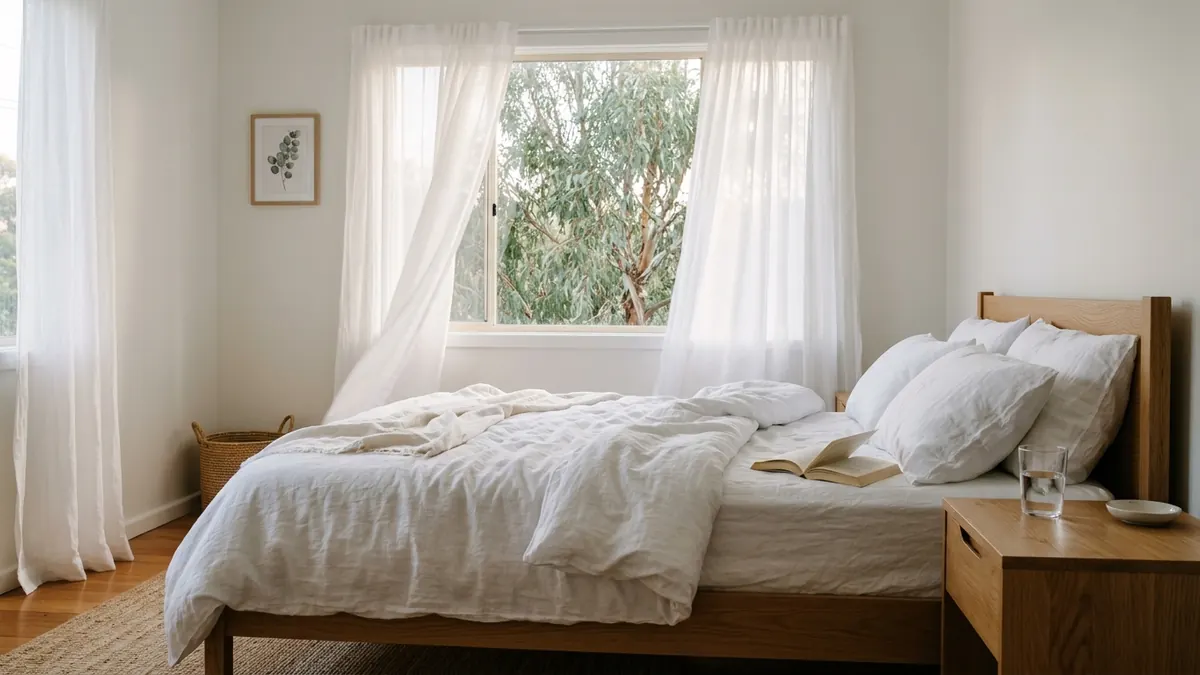
Good sleep rarely comes from a single trick. This guide covers the everyday habits with the best evidence behind them, and signals that it's time to chat with your GP or pharmacist.
- A consistent wake-up time is one of the best-supported sleep habits, including on weekends.
- Get outdoor light in the morning and dim the lights in the hour or two before bed.
- Keep the bedroom cool, dark and quiet, and use the bed mainly for sleep.
- Cut off caffeine at least eight hours before bed, and remember alcohol can fragment sleep.
- See your GP if poor sleep lasts a month or more, and check with your pharmacist before using sleep aids.
Why small habits beat expensive sleep gadgets
Most adults need somewhere between seven and nine hours of sleep a night, yet plenty of us fall short. Shift work, young kids, long commutes and a phone that's always within reach all take a bite out of the night.
Sleep hygiene is simply the set of daily habits and bedroom conditions that make sleep easier to start and easier to keep. It won't suit every situation, and it isn't a treatment for a sleep disorder. But for many people with occasional poor sleep, a few consistent changes make a noticeable difference, and they cost next to nothing.
Keep your body clock steady
Your body runs on an internal clock that likes predictability. The habit with the strongest support is going to bed and getting up at roughly the same times each day.
Anchor your wake-up time first
Bedtime is harder to control than wake time, because you can't force yourself to be sleepy. Pick a wake-up time you can hold most days, then let bedtime settle around it. If you need to be up at 6.30 am for work, aiming for lights out around 10.30 or 11 pm is a sensible starting point.
Watch the weekend drift
Sleeping until 10 am on Sunday feels like a reward, but it can leave you wide awake on Sunday night and dreading Monday. Try to keep weekend wake times within about an hour of your weekday time. If you're sleep-deprived, an early night beats a long sleep-in.
Get the light right, day and night
Light is the main signal that tells your brain what time it is. Getting it wrong at either end of the day can push sleep later.
Morning daylight
Aim for 15 to 30 minutes outside soon after waking. Even on an overcast Melbourne morning, outdoor light is far brighter than anything indoors. Having your coffee on the balcony or walking to the tram stop counts.
Dimming things in the evening
In the last hour or two before bed, lower the lights and put the laptop away if you can. Screens are not the only culprit; the content matters too. Scrolling work emails or a tense news feed keeps your mind busy regardless of brightness. A paperback, a podcast or a stretch can be a better wind-down.
Make the bedroom cool, dark and quiet
Your body temperature drops as you fall asleep, so a cooler room helps. Many sleep specialists suggest roughly 16 to 19 degrees, which is a tall order during a Queensland summer. A fan, lighter bedding, cotton sheets and closing curtains during the day to keep heat out are practical options.
Blackout curtains or an eye mask help if streetlights or early sun wake you. For noise, earplugs or a steady background sound such as a fan can mask sudden sounds like a neighbour's car door.
Try to keep the bed for sleep and sex only. If you regularly work, eat or watch TV in bed, your brain can start to link the bed with alertness rather than rest.
Caffeine, alcohol and late dinners
Caffeine has a half-life of around five to six hours, which means a 3 pm flat white can still be active in your system at bedtime. Many people sleep better by stopping caffeine at least eight hours before bed. Remember that tea, cola, energy drinks and some pre-workout powders contain it too.
Alcohol is trickier because it can make you drowsy at first. The catch is that it tends to fragment sleep later in the night, leaving you waking at 3 am or feeling unrefreshed. If you drink, keeping it moderate and finishing a few hours before bed gives your body time to process it. The Australian guidelines suggest no more than ten standard drinks a week and no more than four on any one day.
Big, heavy or spicy meals close to bedtime can cause reflux and discomfort. Finishing dinner two to three hours before bed works for most people. If you're hungry later, a light snack such as toast or a banana is fine.
What to do when sleep won't come
Lying in bed watching the clock tends to make things worse. If you've been awake for what feels like about 20 minutes, get up and do something quiet in dim light, like reading or gentle stretching. Go back to bed when you feel sleepy. It may feel annoying, but it teaches your brain that bed is where sleep happens.
Avoid checking the time repeatedly. If racing thoughts are the problem, try keeping a notepad beside the bed and jotting down tomorrow's to-do list earlier in the evening. Slow breathing or a body-scan relaxation recording can also settle a busy mind.
If poor sleep has dragged on for months, cognitive behavioural therapy for insomnia (CBT-I) has the strongest evidence for lasting improvement and is generally recommended before sleeping tablets. Your GP can point you towards a psychologist or a structured online program.
When to talk to your GP or pharmacist
Habits can only do so much. Book a GP appointment if you've had trouble sleeping at least three nights a week for a month or more, or if poor sleep is affecting your mood, work or driving. Loud snoring, gasping or pauses in breathing at night, restless legs, or falling asleep during the day are worth raising, as they can point to conditions such as sleep apnoea that need proper assessment.
Your pharmacist is also a good first stop before buying anything for sleep. Some over-the-counter products contain sedating antihistamines, which can cause next-day grogginess and tend to lose their effect with regular use. They also don't suit everyone, including people with certain heart, prostate or eye conditions, older adults, and those taking other sedating medicines. In Australia, melatonin products for insomnia are available only by prescription, so a GP will need to decide whether it's appropriate for you.
Be upfront about caffeine, alcohol and any medicines or supplements you take. Some blood pressure medicines, antidepressants and decongestants can interfere with sleep, and a simple timing change may help.
Frequently asked questions
How long do sleep hygiene changes take to work?
Some people notice improvement within a week or two, but it can take several weeks of consistent practice. Change one or two habits at a time so you can tell what helps.
Is a short afternoon nap bad for sleep?
Not necessarily. A nap of around 20 minutes before mid-afternoon is unlikely to disturb night-time sleep for most people. Longer or later naps can make it harder to fall asleep, especially if you already struggle with insomnia.
Does exercise help with sleep?
Regular physical activity is linked with better sleep quality. Most people do well exercising earlier in the day, though some are fine with an evening session. If a late workout leaves you wired, move it earlier or choose something gentler.
Can I buy something at the pharmacy to help me sleep?
There are over-the-counter options, but they don't suit everyone and aren't intended for long-term use. Talk to your pharmacist about your health conditions and current medicines first, and see your GP if sleep problems keep going.
Medical disclaimer: This information is general in nature and is not a substitute for advice from your doctor or pharmacist. Prescription-only medicines are supplied only against a valid prescription.