Vitamin D in Australia: Sun, Food and Supplements Explained
21 October 2026
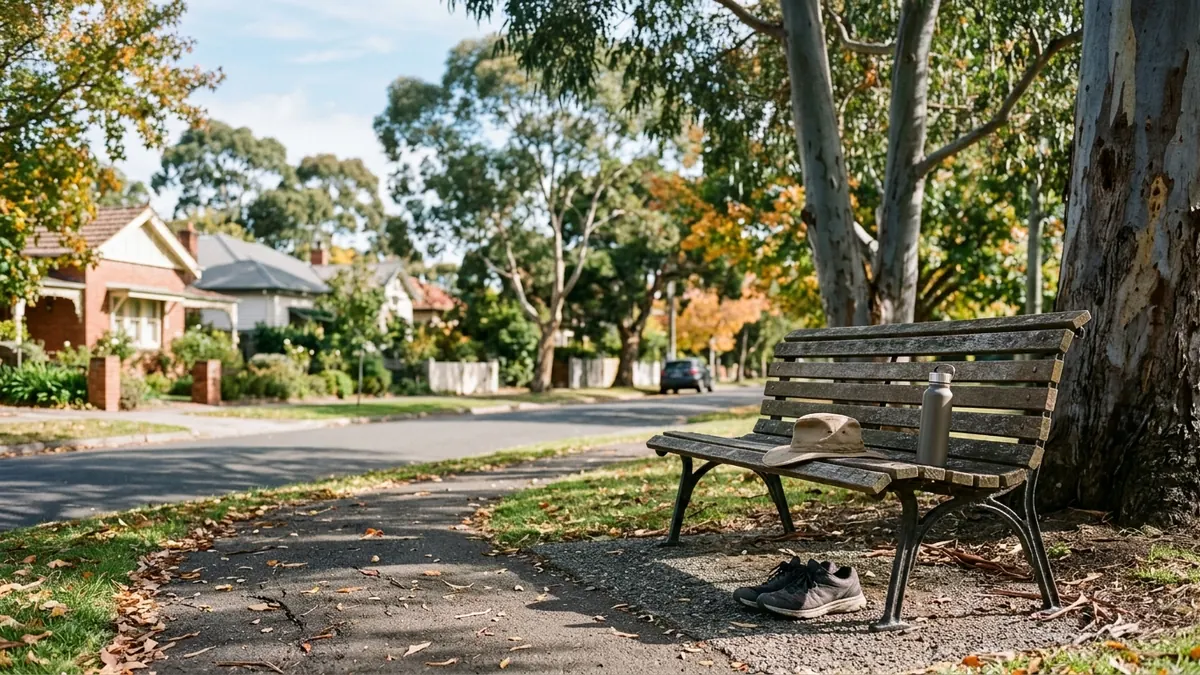
Australia is a sunny country, yet plenty of adults still have low vitamin D, especially after winter. This article explains why, who is most affected, and how to balance sun safety, food and supplements with advice from your GP or pharmacist.
Key takeaways
- Many Australian adults have low vitamin D, especially in late winter and in southern states.
- Skin makes most vitamin D from UVB; short, sensible sun exposure helps, but sun protection is still needed when the UV index is 3 or above.
- Food contributes a little, but few people can meet their needs from diet alone.
- Higher-risk groups include people with limited sun exposure, darker skin, older adults and some with medical conditions.
- Check with your GP or pharmacist before taking a supplement, as too much vitamin D can be harmful.
Why a sunny country still has low vitamin D
It surprises a lot of people, but national survey data suggests roughly one in four Australian adults has a vitamin D level below the recommended range at some point. The numbers rise towards the end of winter and in the southern states.
Part of the reason is how we live. Many of us leave home in the dark, spend the day in an office or a car, and head back inside once we're done. Add sunscreen, long sleeves and shade, all sensible habits for skin cancer prevention, and the amount of skin meeting UV light on a regular weekday can be very small.
What vitamin D actually does
Vitamin D helps your body absorb calcium and phosphate from food, which keeps bones and teeth strong. It also contributes to normal muscle function. Very low levels over a long period can lead to bone problems such as osteomalacia in adults and rickets in children.
Your skin makes most of its vitamin D when it's exposed to UVB rays. Food provides a smaller share. Because the body can store vitamin D, a sunny summer can carry some people through the cooler months, though not everyone's stores last that long.
Who is more likely to run low
Anyone can end up with low levels, but some groups are more likely to. Knowing where you fit is a good first step before you think about supplements.
Lifestyle and work
Shift workers, office staff, taxi and truck drivers, and people who are housebound or in aged care often have limited sun exposure. So do people who cover most of their skin for cultural or religious reasons, or who stay out of the sun after a skin cancer diagnosis on medical advice.
Skin tone, age and health
People with naturally dark skin need more UV exposure to make the same amount of vitamin D, because melanin acts as a natural filter. Older adults make it less efficiently. Some conditions, such as coeliac disease, kidney disease or obesity, and certain medicines can also affect vitamin D levels. Exclusively breastfed babies, and pregnant women who are low themselves, are other groups health professionals keep an eye on.
Where you live
A Brisbane resident gets usable UV most of the year. Someone in Hobart, Canberra or Melbourne may find the winter UV index sits below 3 for weeks, which means the sun does little for vitamin D production, regardless of how long they stand outside.
Getting sun without cooking your skin
Australia's skin cancer rates are among the highest in the world, so the aim is a balance, not a tan. Guidance from Australian health and cancer organisations is that when the UV index is 3 or above, sun protection is recommended. In summer, a few minutes of incidental sun on most days, before or after the strongest midday UV, is generally enough for many people.
In winter, in southern parts of the country where the UV index drops below 3, guidance suggests a bit more time outdoors, often described as a couple of hours spread across the week with face, arms and hands uncovered. A lunchtime walk is an easy way to do it. The UV Index on the Bureau of Meteorology website or a weather app shows you when protection is needed.
Sunbeds are not a safe alternative. They raise melanoma risk and are banned for commercial use in Australia.
What food can and can't do
Few foods are rich in vitamin D. Oily fish such as salmon, sardines and herring have the most, followed by eggs (the yolk), some mushrooms exposed to UV light, and margarine spreads that are fortified. Some milks and cereals have it added, so check the label.
A tin of salmon on toast or an omelette helps, but for most people diet alone won't cover the gap if sun exposure is very low. That's especially true for vegans or anyone who rarely eats fish or eggs. Food is a useful support, not the whole answer.
Testing and supplements: talk before you buy
A blood test can show your vitamin D level, but it isn't needed for everyone. Medicare rebates apply only in certain situations, such as suspected deficiency, bone conditions or specific risk factors, so ask your GP whether testing makes sense for you.
If your level is low, or you're at higher risk, a supplement may be suggested. Doses vary a lot. Adequate intakes in Australia are around 5 micrograms (200 IU) a day for younger adults, rising for people over 50 and again over 70. The upper limit for adults is 80 micrograms (3,200 IU) daily unless a doctor directs otherwise. Taking much more than you need over time can raise calcium levels and cause nausea, kidney problems and other issues.
Check what else you take, too. Some multivitamins, calcium products and cod liver oil capsules already contain vitamin D. A pharmacist can look at your full list, including prescription medicines, and help you pick a sensible dose and form. Supplements support your levels. They don't treat or cure any condition on their own.
Putting it together in everyday life
A practical routine might look like this: step outside for a short walk on most days, follow sun protection advice when the UV index is 3 or above, include a couple of vitamin D-containing foods each week, and book a chat with your GP or pharmacist if you're in a higher-risk group or feel run down with aching bones or muscles.
Those symptoms are common and have many causes, so don't self-diagnose. Getting advice first saves money and avoids guesswork.
Frequently asked questions
Can I get enough vitamin D through a window?
Not really. Glass blocks most UVB rays, which are the ones your skin needs to make vitamin D. Sitting in a sunny office or car won't do much, so short time outdoors is more effective.
Does wearing sunscreen stop me making vitamin D?
Sunscreen can reduce production in a lab setting, but in real life most people don't apply it perfectly or cover every area. Studies of people who use sunscreen as directed haven't shown clear vitamin D deficiency from that alone. Keep using it when the UV index is 3 or above.
Should I take vitamin D every day all year?
It depends on your sun exposure, location, diet, skin tone and health. Some people only need a supplement over winter, while others need it year-round. Your GP or pharmacist can help you decide.
What are the signs of low vitamin D?
Many people have no obvious symptoms. Some notice bone pain, muscle weakness or tiredness, but these have many other causes. A blood test ordered by your doctor is the only reliable way to know.
Medical disclaimer
This information is general in nature and is not a substitute for advice from your doctor or pharmacist. Do not start, stop or change any medicine without professional advice. Prescription-only medicines are supplied only against a valid prescription.
More articles
31 October 2026
How to Keep Track of Multiple Medicines Without the Mix-Ups
Taking several medicines each day is common, but it's easy to lose track of what's what. These simple habits and tools can help you stay organised and know when to ask your pharmacist or GP for a hand.

25 October 2026
Mental Health Check-Ins for Men: A Simple 5-Minute Routine
Plenty of men look after their car, their back and their bank balance but rarely ask how their head is going. This guide covers a short, practical check-in you can do yourself, how to do it for a mate, and when to talk to a GP or pharmacist.

19 October 2026
Reviewing Your Medicines With a Pharmacist as You Age
Your body changes over time, and the medicines that suited you at 50 may not be the best fit at 75. A review with a pharmacist is a practical way to check that everything you take is still doing its job safely.